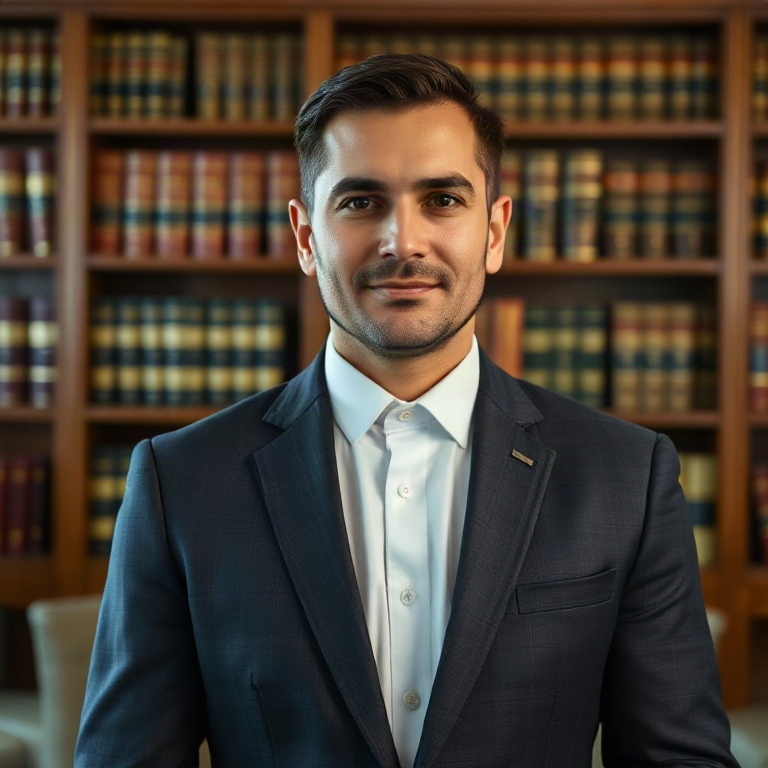
Omar Khalil·
Omar Khalil works as a insurance & risk architect in Sharjah, United Arab Emirates, with Gulf Monte Office. This profile serves affluent and high-inte…
Omar Khalil works as a insurance & risk architect in Sharjah, United Arab Emirates, with Gulf Monte Office. This profile serves affluent and high-inte…
Turn on to load the assistant and chat (voice optional). Stays off until you enable it.
Insurance & Risk Architect · Gulf Monte Office
Omar Khalil is a Insurance & Risk Architect · Gulf Monte Office based in Sharjah, United Arab Emirates. Recent signal: Insurance & Risk Architect · Gulf Monte Office. Recruiter fit is 91%. Strong keywords: omar, khalil, Gulf Monte Office.
Insurance & Risk Architect · Gulf Monte Office
This profile is positioned as a live professional identity, not a static resume.
Sharjah, United Arab Emirates
Contact stays protected until unlock when the profile is configured as private.
The CV card uses profile data, skills and experience to show recruiter fit before the full document opens.
optimized at the desk — good pace 💡
Most affluent clients don't lose wealth because of bad markets. They lose it because the risk architecture around their assets was built on assumptions, not evidence. In my years structuring high-net-worth insurance and legal protection in Sharjah, I've seen the same pattern repeat: a policy that covers the wrong exposure, a contract that leaves a gap in liability, a family office that treats risk as a yearly checkbox instead of a living system. Why Premium Positioning Starts with Risk Clarity For professionals and business owners who serve high-intent clients, the first mistake is thinking that visibility means volume. It doesn't. It means clarity. When your profile—whether personal or corporate—speaks the language of precision, you attract the right conversations. But clarity is not a slogan. It is the result of disciplined thinking about what you actually protect, how you protect it, and why that matters in a specific jurisdiction like the UAE. The Hidden Gaps in Most Insurance-Legal Setups I frequently review portfolios where the client believes they are fully covered. The reality is often different. A few examples from my advisory work: Policies that name the wrong beneficiary or omit a new business entity after restructuring. Contracts that rely on verbal assurances instead of written indemnity clauses. Coverage limits that haven't been recalibrated after asset appreciation or new liabilities. Governance structures that mix personal and corporate risk without a clear firewall. Each of these is a solvable problem. But they only become visible when someone takes the time to audit the whole picture—not just the policy documents, but the operational reality behind them. Why a Current Profile Matters More Than a Static One In a market like Sharjah, where trust is the currency, a profile that feels current signals that you are actively engaged in your field. It tells prospective clients that you are not resting on past credentials. It shows that you understand the regulatory shifts, the new risk vectors, and the changing expectations of high-net-worth families. A static profile, by contrast, suggests a static approach—and that is the last thing you want when advising on protection. I encourage my peers in legal and insurance to treat their public presence as an extension of their risk discipline. Every piece of content, every update, every articulation of your approach should reinforce the same message: you are precise, you are current, and you are committed to protecting what matters. Practical Steps to Sharpen Your Positioning If you are a legal or insurance professional looking to elevate your practice, start here: Audit your own risk profile first. You cannot advise others on clarity if your own house is ambiguous. Publish insights that address specific client fears—not generic advice. Talk about the gap between coverage and reality. Update your professional narrative regularly. A quarterly review of your bio, your case focus, and your service lines keeps you relevant. Speak in terms of outcomes, not features. Clients don't buy policies; they buy peace of mind. In the end, premium positioning is not about looking expensive. It is about being undeniably clear. When a client can see that you understand their world—the risks, the structures, the nuances of UAE law and insurance practice—they will trust you with their most valuable assets. That trust is the foundation of every long-term advisory relationship. If you are reviewing your own protection framework or your firm's public presence, consider whether it reflects the precision you bring to your work. The market notices the difference.
Most viewed and engaged posts this week